
Italian cypress is the spine of a Mediterranean garden: that dark green exclamation mark standing against a pale sky, marking a gate, a path, a boundary. It is also one of the least forgiving trees you can own. Cut a cypress in the wrong place and the wood stays bare for good. There is no second chance from that spot. The reassuring part is that pruning well is not complicated. It comes down to timing, restraint, and knowing precisely where the living green ends and the dead interior begins.
The rule that governs every cut
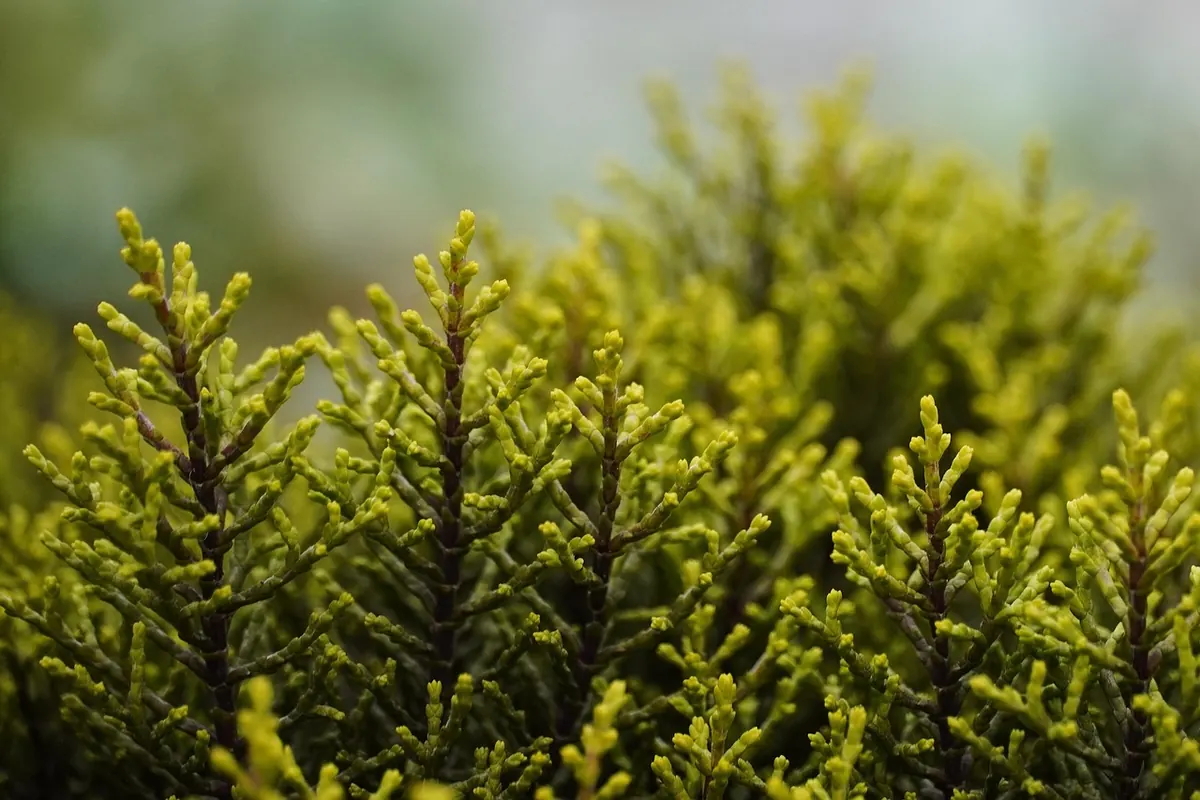
A healthy Italian cypress (Cupressus sempervirens) carries its foliage in an outer shell, maybe 20 to 40 cm deep on a mature specimen. Behind that shell sits a zone of shaded twigs, many of them already brown and dying. This is normal. It is how the tree grows, not a sign of neglect or disease.
The important consequence: cypress rarely produces new shoots from old, bare wood, especially on the trunk and main limbs. It can throw the occasional tuft of growth from a trunk, but you should never plan a pruning decision around it. Every cut that opens a window into the brown interior is a permanent change to the shape of the tree.
So work in small steps. On an established tree, a light trim of the outer growth — 5 to 10 cm at most — keeps the silhouette clean and the foliage dense. Removing a whole limb down to the trunk is a one-way decision, and it should be made only when there is a real reason for it.
When to prune Italian cypress
Timing matters more than technique for this species, because a fresh wound is an open door. In the Mediterranean, the safest window is late winter to mid-spring, roughly from late February through April. Growth is about to start, so cuts callus over quickly and the tree has a full season to close them.
A light summer trim is also acceptable, particularly on hedges, once the first flush of growth has hardened. What you want to avoid is the opposite combination: cutting in cool, wet autumn weather and leaving wounds open through months of rain. Cypress canker, a fungal disease that has done real damage to Cupressus sempervirens across the Mediterranean, enters mainly through wounds and spreads with rain splash. Dry tools, dry weather, and a growing season on your side all reduce the risk.
- Late winter to mid-spring: the main window for shaping and structural work.
- Early summer: fine for light trimming of hedges and screens.
- Autumn and wet spells: avoid, unless you are removing something already dead or broken.
- During hard frost or heatwave: wait. The tree is under enough stress.
- Dead or diseased branches: remove them whenever you find them. Do not wait for the calendar.
One practical note for allergy sufferers: Italian cypress release large amounts of pollen in late winter, and a hedge in full flower can be miserable to work around. If that is you, push the main trim to just after the pollen has finished.
Shaping a young tree without ruining it
For the first two years after planting, do almost nothing. Remove a broken branch, keep the stake tie loose, water deeply and let the roots establish. A young cypress that is cut hard in its first seasons tends to sit and sulk rather than push new growth.
The single most valuable thing you can protect is the leader — the central shoot running straight up. If a second leader starts competing with it, deal with the weaker one while it is still thin and small. If you cut the top off a cypress, you get a forked, bushy crown with a weak junction, and you will be managing that fault for the rest of the tree's life.
That is why "topping" a cypress that has outgrown its space never works. You cannot lower a cypress the way you can lower a hedge. It does not regrow from the cropped stub in any useful way. If a tree is genuinely too tall for its position, replacement with a smaller-growing selection is the honest answer, not a saw.
Encouraging density
On young trees, pinching out the tips of side shoots by hand in spring encourages a tighter, more even habit than clipping does. It takes time, but it produces a natural outline and avoids the flat, shaved look that shears leave behind.
Removing damaged, dead and diseased growth
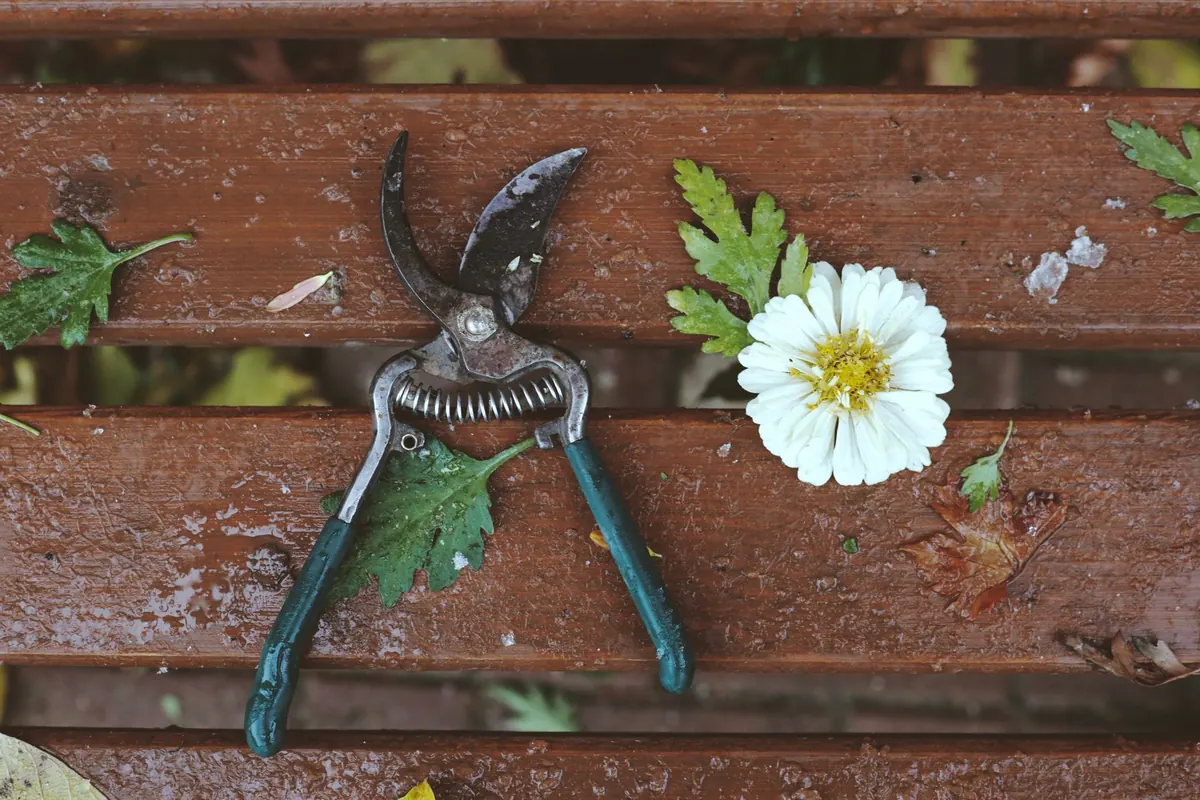
Use sharp bypass pruners for small branches, loppers for anything up to about 4 cm, and a fine-toothed pruning saw beyond that. Clean the blades with rubbing alcohol between trees, and between cuts if you suspect disease. This single habit does more to protect a cypress hedge than any spray.
- Cut back to the branch collar — the slight swelling where the branch meets the trunk — without leaving a stub and without cutting flush into the trunk.
- Where a branch has died partway along, cut back to a live side shoot rather than into the bare interior.
- Remove storm damage, rubbing branches and any brown patch that is clearly spreading rather than stable.
- Dispose of diseased material away from the garden. Do not compost it, and do not chip it for mulch.
Watch for sunken, darkened patches of bark with resin bleeding, especially where foliage browns from the tip downward on one side only. That pattern suggests canker rather than simple dieback. Cut well below the affected area into clean wood, sterilise the blade afterwards, and if the problem is widespread across a hedge, bring in a qualified arborist rather than working it out by trial and error.
Do not paint wounds with sealant. It traps moisture and slows the tree's own sealing process.
Hedges and screens: a different rhythm
A cypress hedge wants light, frequent attention rather than occasional drastic intervention. Two or three trims a year, each removing only the current season's growth, keep it dense to the base and easy to control. Go hard once and you will be looking at bare brown flanks for years.
Keep the sides very slightly wider at the base than at the top. That taper lets light reach the lower foliage, which is the difference between a hedge that stays green to the ground and one that goes bald from the ankles up. If a hedge has already been let go for several years, reduce it in stages across two or three seasons rather than cutting straight back to the old line in a single pass.
What to avoid
- Cutting into bare interior wood. It will not green up again.
- Topping the leader. It produces a forked, weak crown that you cannot correct later.
- Removing more than about a quarter of the green in one session. Spread heavy work over several years.
- Stripping lower branches for clearance. Those branches will not return. If you need headroom, plan for it at planting time.
- Shearing into tight box or ball shapes. The dense outer shell shades the interior and accelerates dieback.
- Pruning in wet autumn weather with dirty tools. The worst combination for canker.
- Heavy nitrogen feeding after hard pruning. It pushes soft, sappy growth that is more vulnerable to cold and disease.
After the cut
Clear the clippings, particularly from the crown of the tree, and give the ground a deep soak if the season is dry. A layer of mulch is useful, but keep it 10 cm clear of the trunk. Check the tree a few weeks later: new growth should appear evenly along the trimmed edge. If you see browning spreading from a cut, take a photo, note which direction it is moving, and act early rather than waiting a season.
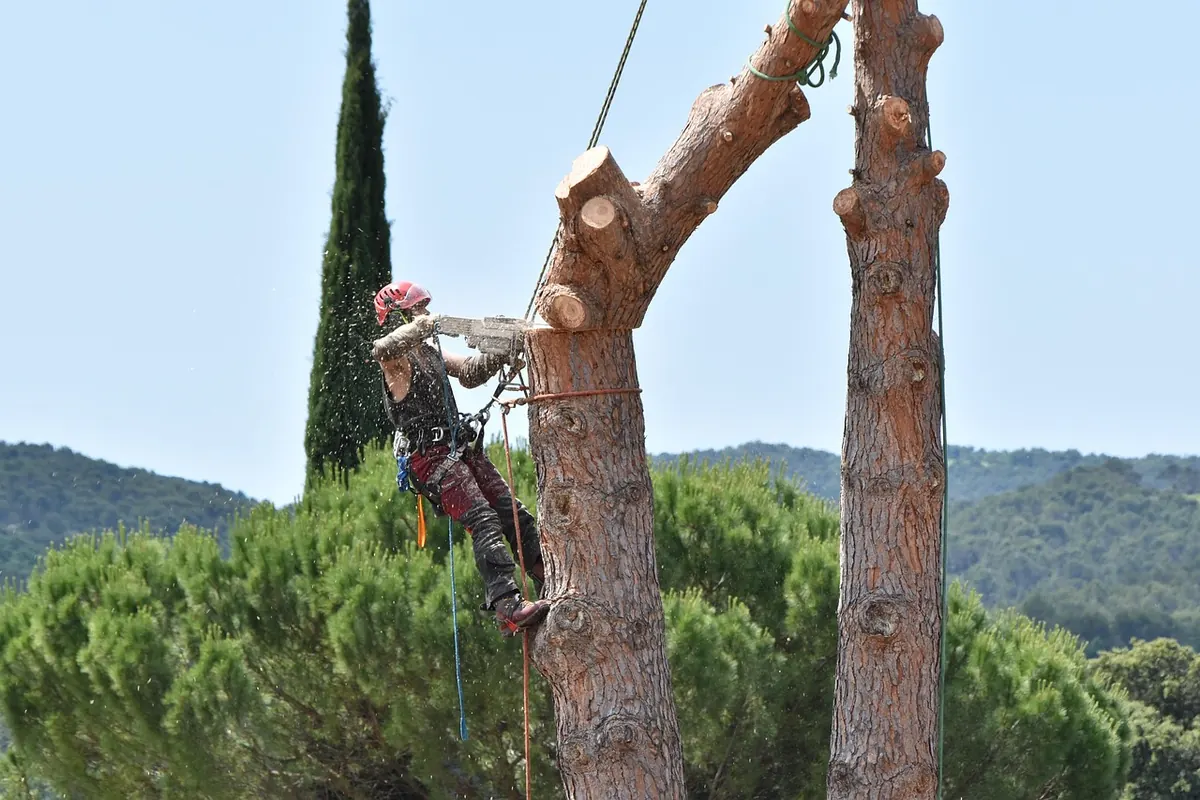
For tall specimens or anything near a building, a driveway or a power line, calling a qualified arborist is not an overreaction. Cypress wood is light and brittle, and the trees are often taller than they look from the ground. It is also worth checking whether your local municipality protects mature trees or regulates boundary hedges before you plan significant work — rules vary widely from one town to the next, and a quick enquiry saves a difficult conversation later.
Photo: VINCENT-RECLOUX / Pixabay