
The first proper rain after a Mediterranean summer is a relief and a warning in equal measure. Ground that baked hard in August now has to absorb weeks of water, and a cypress that looked immaculate all summer can show its first yellow patches by December. Autumn is the narrow window between those two states: the soil is still warm, the days are shorter but not cold, and the tree is slowing down enough to be worked around without stress. What follows is the routine worth running through on any established hedge, specimen tree or young planting, from late September to the end of November.
Check drainage before you do anything else
Cypress tolerates drought far better than it tolerates wet feet. Water that sits around the root collar for a day or two after heavy rain is the single most common reason a healthy tree starts to fail, and autumn is when you can see the problem clearly because the rain arrives on schedule.
Do a simple test at the edge of the canopy. Dig a hole about 30 cm across and 40 cm deep, fill it with water, let it drain, then fill it again. If the second fill is still standing after three or four hours, you have a drainage problem worth fixing. On heavy clay, the hole may hold water for a day.
Fixes are usually modest rather than dramatic. A shallow channel that carries surface water away from the trunk, a short gravel-filled trench on the uphill side, or a slight mound of soil and compost that lifts the root collar above the surrounding grade will all help. What does not work is digging sand into clay — you get something closer to concrete. Also look up: a downpipe discharging onto the same square metre of ground every winter will undo everything else you do.
Small checks that make a difference
- Confirm the root collar is visible and not buried under years of soil or gravel.
- Break up compaction along the drip line with a garden fork, working backwards so you don't stand on the soil you just loosened.
- Clear leaves, weeds and grass from the base so air can move and you can actually see the bark.
Remove damaged wood, then stop
Walk the tree from two directions, because a dead branch that hides against the trunk on one side is obvious from the other. Look for dead tips, branches snapped by summer wind, crossing wood that rubs, and anything split at a fork. Cypress wood goes brittle quickly once it dies, so a branch that looks fine in September can be a hazard by January.
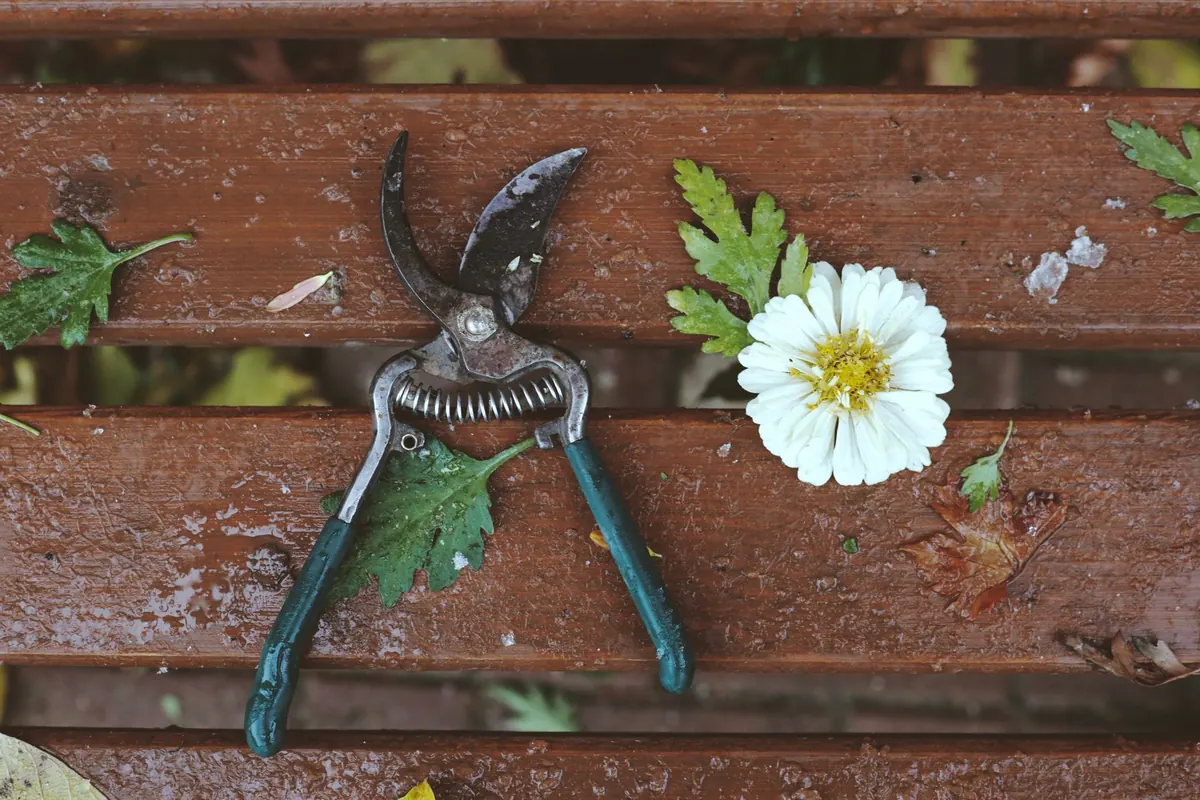
Cut back to a live side shoot or to the branch collar, never flush against the trunk, and leave no stub. Do not paint the wound; a clean cut on a healthy cypress seals itself faster without a dressing. Clean your blades with methylated spirits or a diluted bleach solution between trees, particularly if you have more than one and one of them looks suspicious.
Timing matters more than most people expect. Prune on a dry morning with a few dry days forecast. Wet weather spreads spores into open cuts, and cypress canker — the sunken, resin-beaded lesions that kill branches from the tip backwards — is far easier to avoid than to deal with. Do not attempt heavy renovation pruning now. The tree puts on very little growth in autumn, so large cuts leave gaps that stay open until spring. Keep structural work light and save serious reshaping for late spring.
If you keep a hedge
The last full trim of the year should already be behind you. Cutting a cypress hedge in late autumn pushes soft new growth that has no time to harden, and it turns the face of the hedge brown wherever you cut into old wood with no green shoots left. If a stray shoot is spoiling the line, take it off with secateurs and leave the rest alone.
Mulch properly, and keep it off the trunk
A layer of organic mulch is the cheapest protection you can give a cypress going into winter. It buffers the impact of heavy rain, keeps weeds down, and slowly feeds the soil life that keeps roots healthy. Spread 5 to 8 cm of compost, bark fines or aged manure, extending at least to the drip line and further for young trees.
The one rule that matters: leave 10 to 15 cm of clear ground around the trunk. Mulch piled against the bark traps moisture and invites rot at the exact point where the tree cannot afford it. It also gives rodents a covered route to the stem. If you have just fixed a drainage problem, mulch afterwards, never before — mulching over soggy ground simply seals it.
Taper the water rather than cutting it off
Established cypress need little from you once the rains begin, but the transition should be gradual. Reduce the frequency of watering first and keep the volume generous when you do water, so the moisture goes deep and the surface dries between soakings. Shallow daily watering teaches roots to stay near the surface, which is the opposite of what a Mediterranean tree wants.
Young trees planted in the last two years are the exception. If October passes without meaningful rain, give them a deep soak every couple of weeks at the drip line, in the morning, never against the trunk. After a long dry summer the soil can become water-repellent, with water beading on the surface; apply it slowly in two or three passes until it starts to soak in.
Check ties, stakes and wind exposure
Winter in Mediterranean gardens means wind as much as rain. Go around young trees and loosen any tie that has become tight, and check for wire or tape cutting into swelling bark — a mark that will never disappear. Stakes that have done their job for two or three seasons should come out, since a tree left permanently supported never develops a root system strong enough to stand alone.
If an established cypress is leaning after summer, look at the ground beneath it before you stake anything. A visible crack in the soil on the side away from the lean means the root plate has moved, and that is arborist territory rather than a weekend job.
Autumn checklist at a glance
- Test drainage at the drip line and clear any standing water.
- Clear leaves, weeds and buried soil from the root collar.
- Remove dead, broken and rubbing branches on a dry day.
- Clean tools between trees.
- Spread 5–8 cm of mulch, kept clear of the trunk.
- Reduce watering frequency but keep the soak deep.
- Loosen ties and remove stakes that are no longer needed.
- Check the trunk and main branches for sunken bark, resin or browning tips.
Look closely at bark and growing tips
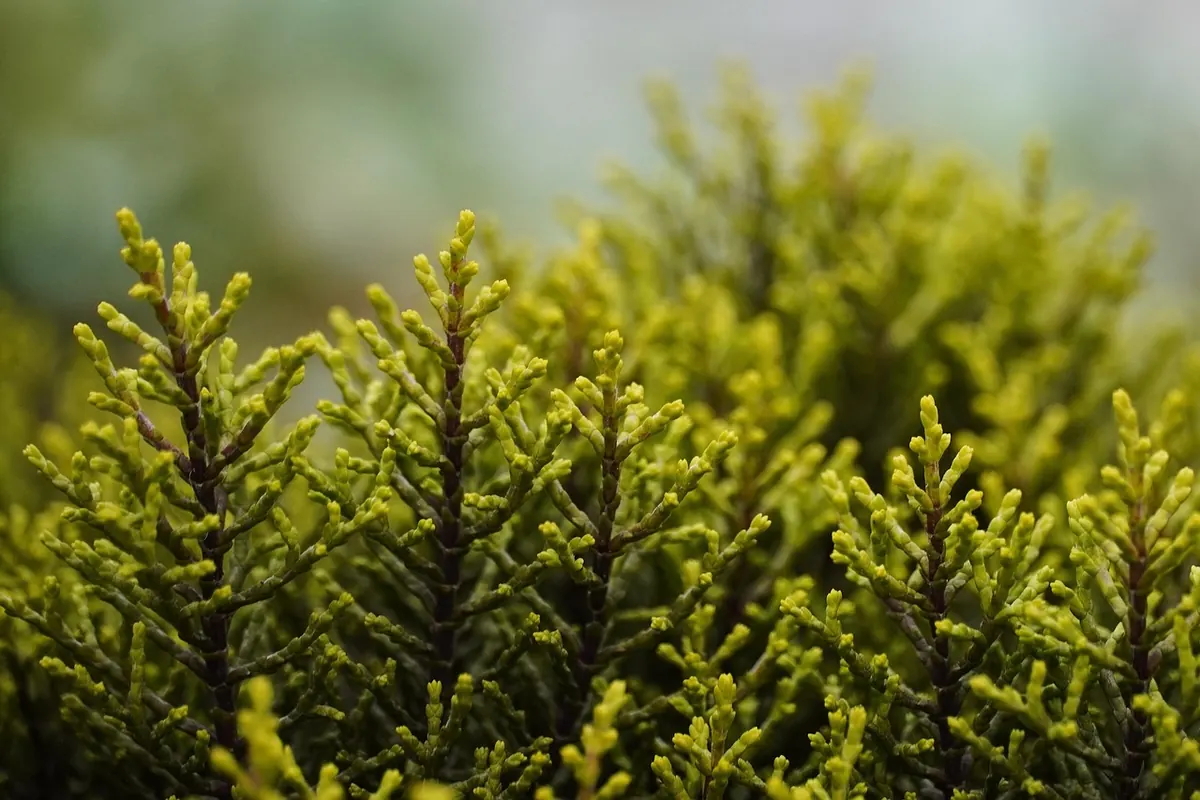
Spend ten minutes with your face near the tree. Sunken patches of bark, small beads of amber resin, or a branch turning dull green then brown from the tip inwards are signs worth taking seriously. The same walk is a good moment to notice scale insects clustered on stems or fine webbing on the inner foliage.
Cypress canker is the one problem where an early opinion pays for itself. If you suspect it, photograph the lesions from a metre away and close up, then ask a local nursery, agronomist or certified arborist to look at the tree before you cut anything. Sprays do not cure it, and spreading it to the rest of a hedge by careless pruning is a genuinely expensive mistake.
Finish with a walk, not a list
Once the water is draining, the dead wood is off and the mulch is down, walk the garden after the first heavy rain of the season. Look at where the water went, whether the mulch stayed put, and whether any tree is sitting in a puddle you did not predict. Fix the small things then, while the ground is soft and the tree is dormant. A couple of hours in October and November will do more for a cypress than anything you can do for it in July.
Photo: Zeynep Gül Ceylan / Pexels