
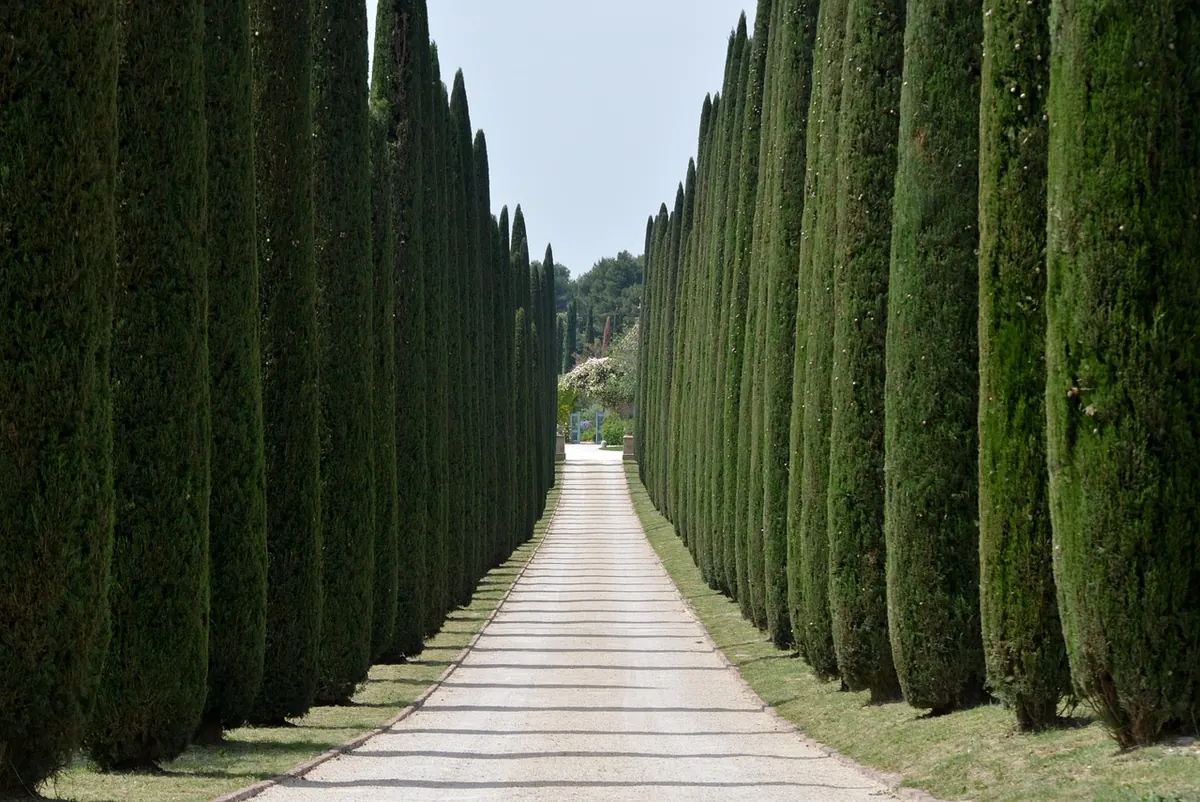
The picture is easy to hold in your head: a gravel track, two rows of dark green spires closing in on either side, a house waiting at the end. Making it happen is harder than it looks, and the failures are usually geometric rather than horticultural. A drive planted four metres too tight reads as a hedge. One planted too far from the edge looks like an accident with the mower. Get the numbers and the sightlines right, though, and twenty trees will do the work of architecture.
Start With the Tree, Not the Picture
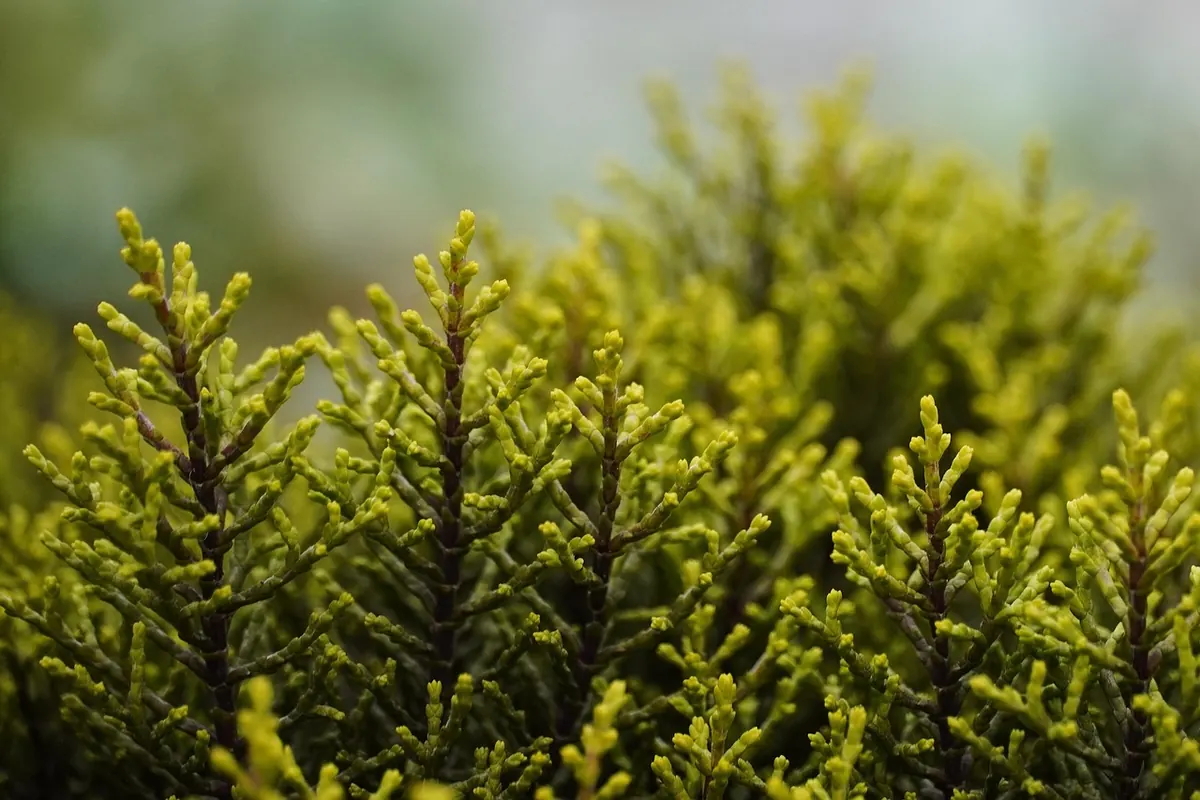
Italian cypress — Cupressus sempervirens — is almost certainly the tree you have in mind. Narrow, dense, deep green, and vertical in a way few conifers manage. In good conditions it can reach twelve to twenty metres; in thin, dry soil it sits smaller and grows more slowly, which is often exactly what a modest garden needs.
The straight species is variable, so buy a named selection. 'Stricta' is the familiar tight column; 'Glauca' carries blue-grey foliage that reads beautifully against silver-leaved planting. Ask your nursery which form they stock and how tall it will be in fifteen years, because that answer determines your spacing.
One caution worth repeating: Italian cypress dislikes two things — wet roots and humid, still air. Cypress canker, a fungal problem that enters through wounds, is the main reason established rows fail. Plant on freely draining ground, water the soil rather than the foliage, keep strimmers and mowers away from the trunks, and prune only in dry weather with clean tools. If canker has already ruined cypress in your area, choose something else honestly: juniper 'Skyrocket' for a smaller garden, clipped yew or holm oak for a broader, softer line. They will not look identical, and pretending otherwise wastes years.
Spacing: The Number That Decides Everything
The commonest mistake is planting at the spacing you imagine for year three. At year three, one and a half metres apart looks generous and full. At year fifteen it is a solid green wall with brown, bare interiors, and no amount of pruning brings the individual trees back.
Think instead about how you want the drive to read when it is mature:
- A tight allée for a short path: 2.5 to 3 metres between trunks. Dramatic and enclosed, best over a short distance where you want a tunnel effect.
- A classic drive: 4 to 6 metres. Each tree stays legible as an individual, and light reaches the gravel between them.
- A grand approach with long views: 7 to 10 metres, usually planted in pairs directly opposite each other, so the rhythm is strong even though the trees stand apart.
- Distance from the edge: keep trunks 1.5 to 2 metres back from asphalt or gravel, more if you mow with a wide deck. Roots and low branches need that margin, and so does your paintwork.
Plant in opposite pairs on a straight drive. On a curved one, offset the rows slightly so the trees follow the line of the road rather than marching across it.
Perspective Does the Rest
Repetition is what makes a cypress drive feel designed, and repetition only works when the units match. Buy every tree from a single batch, in the same container size and of the same age. Small variation — a hand's width here and there — is welcome and looks natural. A metre of difference at planting becomes a visible stagger forever, because cypress grows so slowly.
Then think about what the line is pointing at. A dead-straight drive gives a strong axis and needs a terminus: a gate, a stone pine, a facade, a wall with a single pot. A gentle curve hides the house and reveals it in stages, which is more interesting but harder to plant, because trees on the inside of the bend crowd together visually while those on the outside drift apart. Walk the route with a fistful of canes before you commit, and check it from the height of a car windscreen as well as on foot.
Width matters more than most people expect. Three metres is a working single track; four to four and a half is comfortable. A twenty-metre tree over a narrow drive feels theatrical. The same tree over a wide sweep feels calm and slightly formal. Neither is wrong, but you should choose deliberately.
Ground Preparation and the First Two Summers
- Set out the line with canes and a string, then stand back and look from both ends before you dig anything.
- Clear the strip and check drainage. On clay, plant slightly proud on a mound of gritted soil so water never sits at the collar.
- Dig a hole twice the width of the rootball and no deeper. Mix a little well-rotted material into the backfill — no rich compost, which pushes soft growth that canker and wind both love.
- Plant at the same depth as in the pot, firm the soil, water thoroughly.
- Stake low with a soft tie that still allows some movement. A tree that cannot sway builds a weak trunk.
- Water deeply through the first two summers, then ease off. Mulch five to eight centimetres deep, pulled back from the trunk.
- Plant in autumn or early spring, in mild weather, so roots work before heat arrives.
The Mediterranean Layer Beneath
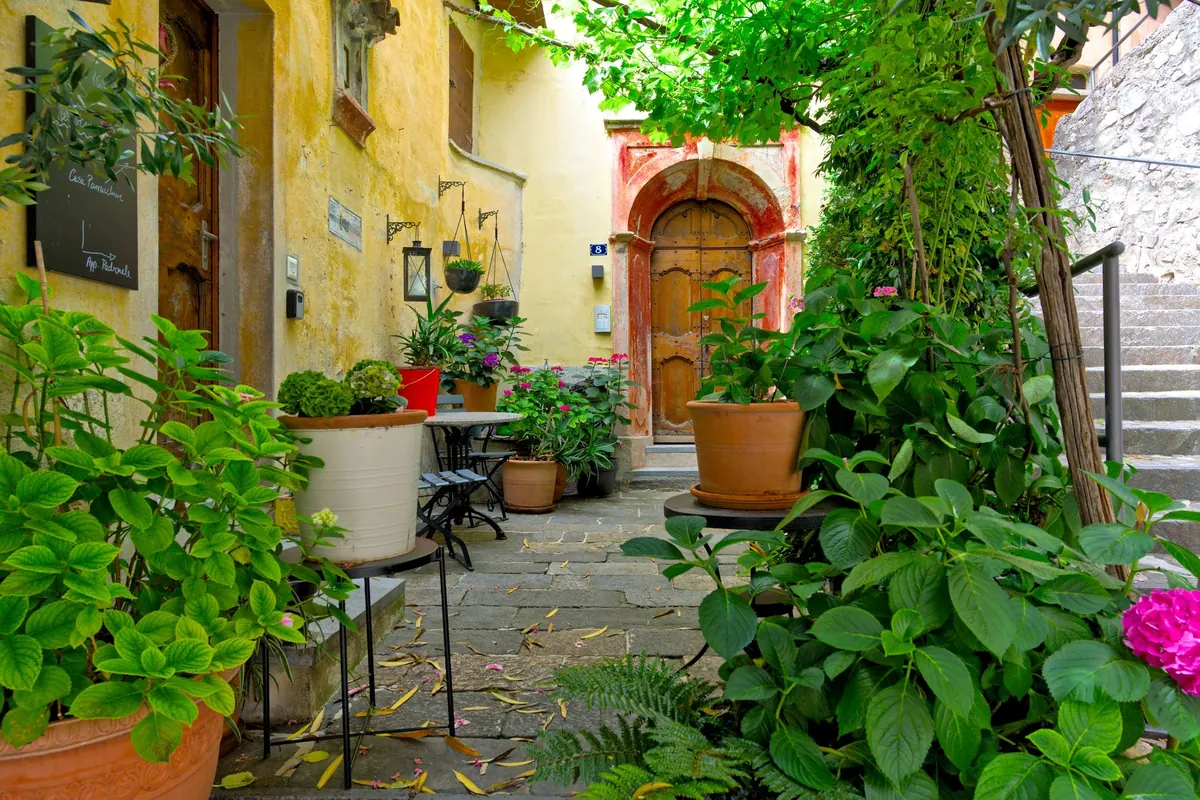
Bare soil under cypress looks unfinished; lawn looks worse and damages the trunks. Run gravel or crushed stone right up to each tree and plant into it with drought-tolerant, low-water neighbours: lavender, rosemary, Iris unguicularis, cistus, thyme, santolina. A clipped myrtle or box hedge along the boundary will hold the composition together, and an olive or a stone pine set behind the row gives the drive something to sit against.
Set plants in loose drifts rather than soldier rows, and keep the first metre around each trunk clear for airflow. Two pots of lemon at the gate, a bench in the shade of the fourth tree — small human details stop the whole thing feeling like a nursery display.
Keeping the Line Sharp
You have two options, and both are legitimate. Leave the skirts — the lower branches — right to the ground for the full, dark, classical look, and accept that you will not mow within a metre of the trunks. Or lift the skirt gradually to a consistent height of 1.8 to 2 metres for a lighter, more architectural row with visible trunks. Do that over several seasons, never removing more than a third of the live growth at once, and only in dry weather.
What you should not do is shear the sides into tight green columns. Shearing builds up a thatch of dead growth, hides the natural form, and creates the flat, clipped look that reads as leylandii rather than cypress. Trim by hand where needed. Feed sparingly, irrigate all the trees from the same drip line so they grow evenly, and check ties and stakes once a year.
Plan the Drive This Weekend
Measure the run, decide the terminus, then mark one side with canes at your chosen spacing and look at it from the far end. Photograph it from the car. If the rhythm feels right at cane height, it will feel right at eight metres. Order matched plants from one batch for autumn, prepare the strip in late summer, and budget your watering can — or hose — for two full seasons. The rest is patience, and cypress is generous with that.
Photo: Ben_Kerckx / Pixabay