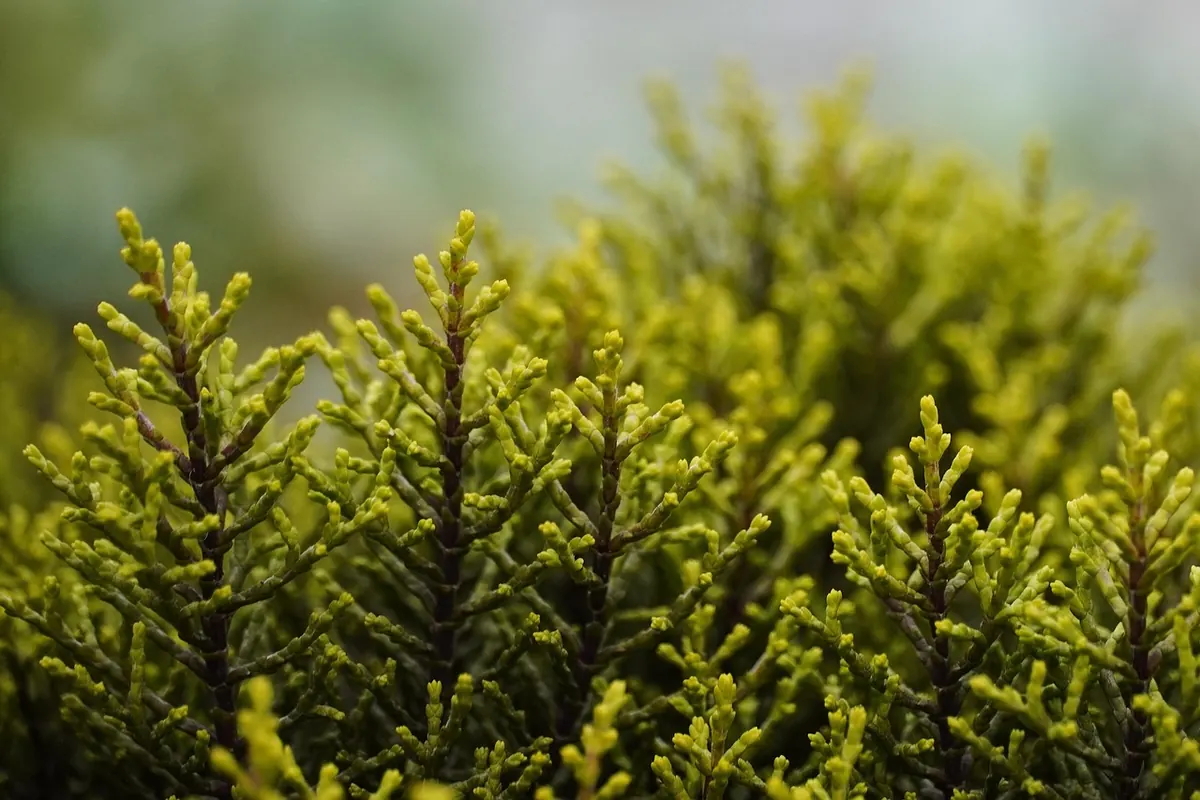

A young Italian cypress (Cupressus sempervirens) looks like a thin green brush standing in the ground, and for the first few months that is more or less what it is: a small root system trying to hold up a tall, narrow top. What happens in that first year — where you put it, how deep it sits, how much water it gets — decides whether you end up with a straight, dense column in twenty years or a leaning, patchy thing you keep meaning to replace. The planting itself takes an afternoon. Getting it right takes a little thought beforehand.
Choose the Site Before You Buy the Tree
Italian cypress wants sun, and plenty of it. Six hours of direct light is a working minimum; all day is better. In shade the foliage thins, the column opens up, and the tree becomes more susceptible to the fungal problems that plague cypresses in humid, airless corners. A spot against a south- or west-facing wall, where the masonry throws back heat, suits it well.
Drainage matters far more than richness. Walk the garden after heavy rain and notice where water lingers for hours. That low corner at the bottom of the slope, the strip beside the downpipe, the bed that the lawn sprinklers keep damp all summer — none of these will do. Cypress roots rot in stagnant soil, and the decline is slow enough that gardeners often blame the tree rather than the site.
Think about the space above and below. A mature Italian cypress is narrow but not thin: allow three to five metres from walls, foundations, paving and septic lines, since surface roots can lift slabs over time. Keep the young tree clear of the irrigation zone of a lawn, which is usually too wet and too shallow-rooted a regime for it. And in cold-winter gardens, plant in spring rather than autumn, so the roots have a full season to settle before the first hard frost.
Prepare the Soil for Drainage, Not Riches
Cypress is not fussy about soil chemistry. It grows in thin, stony, alkaline hillside ground across the Mediterranean and does not need a luxury bed. What it cannot tolerate is a hole that fills like a bucket.
Before digging, run a simple test in the chosen spot: dig a hole about 40 cm deep and wide, fill it with water, and see how long it takes to disappear. If the hole is still half full the next morning, either move the planting position or plan to plant on a raised mound of improved soil, with the top of the root ball sitting 20–30 cm above the surrounding grade.
For most gardens, the preparation is straightforward. Fork over the base and sides of the planting area to break any compacted layer or smooth clay smeared by the spade — roots will not push through a glazed wall. Mix coarse grit, perlite or sharp sand into the backfill at roughly one part grit to three parts garden soil, plus a modest handful of well-rotted garden compost. Skip manure, skip granular fertiliser at planting time. Rich backfill encourages roots to circle inside the hole instead of reaching out into the garden.
Planting Depth and the Root Flare
This is where most young cypresses are lost. The point where the trunk widens into the roots — the root flare — must sit at or slightly above ground level. Bury it even five centimetres and the bark stays damp, the trunk slowly rots, and the tree sulks for two seasons before dying. The mistake is easy to make because nursery root balls are often topped with loose compost that hides the true flare.
Plant the flare at the surface, not the top of the pot. The soil line in the nursery container is frequently a lie.
- Water the root ball thoroughly the day before planting, so the root mass holds together.
- Dig a hole two to three times as wide as the root ball but no deeper than it. Set the removed soil aside on a tarpaulin.
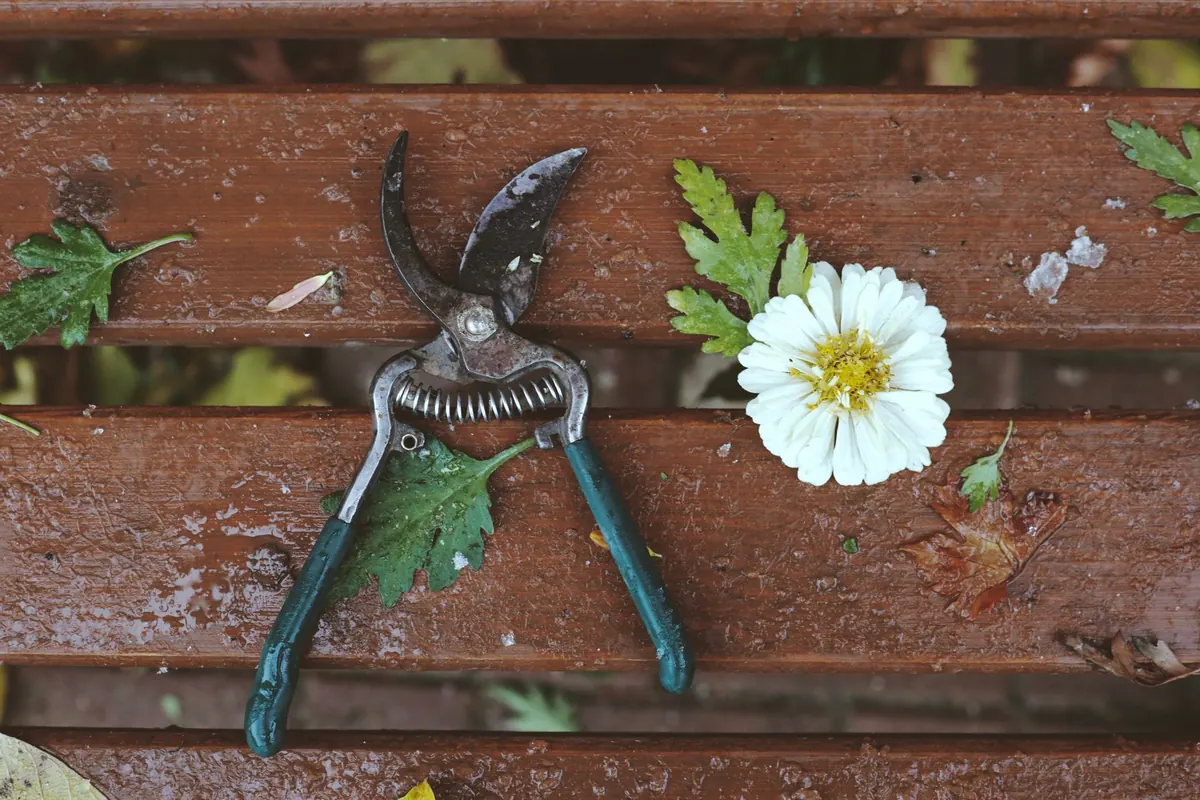
- Slide the tree out of its container and tease the outer roots apart with your fingers. Cut any root that circles the base with clean secateurs.
- Stand the tree in the hole and lay a straight edge across the top to check the flare against the surrounding soil level. Adjust the base of the hole if needed.
- Backfill in stages, firming gently with your hands or a boot heel — enough to remove air pockets, never enough to compact the soil.
- Build a shallow soil rim or basin just outside the root ball to hold water.
- Water slowly until the basin fills, then let it drain. Refill once more.
- Mulch with 5–8 cm of bark chip or gravel, keeping it clear of the trunk. Water again the next day if the ground settles and the flare sinks.
Spacing: Hedge, Screen or Specimen
Decide what the tree is for before you mark the holes, because spacing sets the look for decades.
- Dense hedge or screen: 60–80 cm between trunks. The columns will merge into a single green wall within a few years.
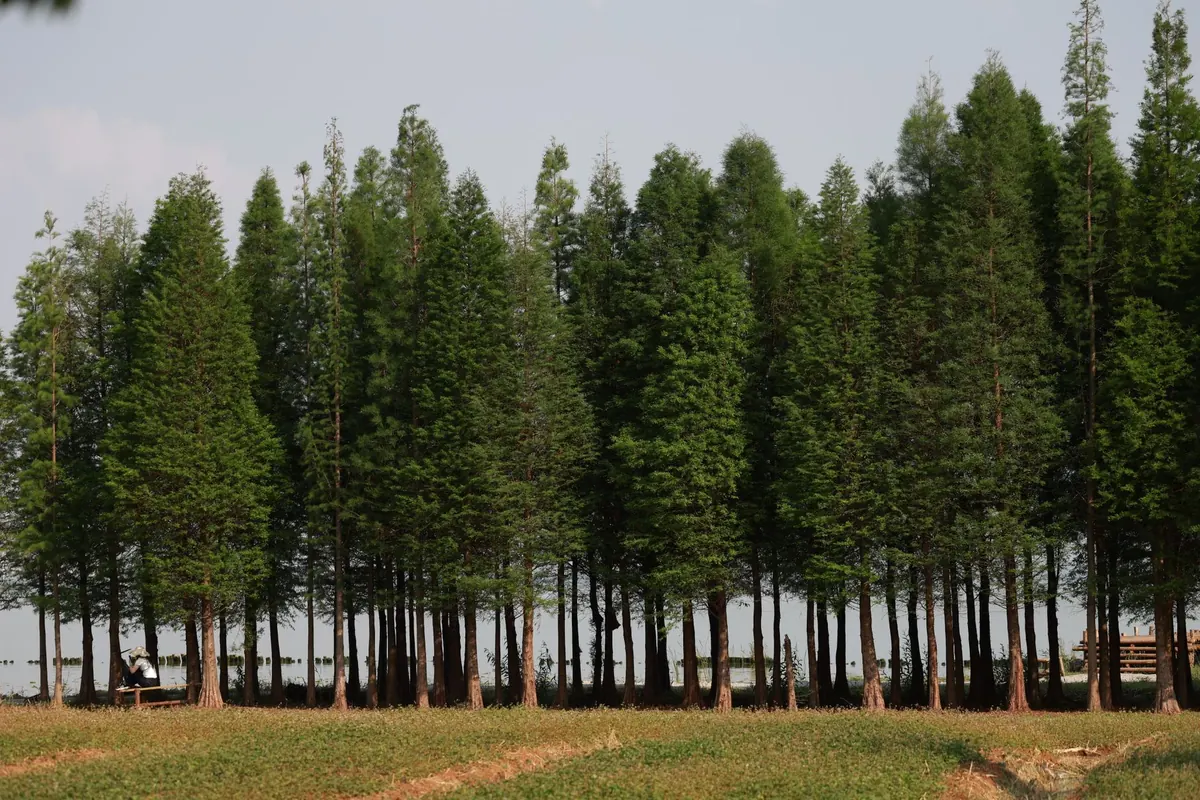
- Loose row or avenue: 1.5–2 m apart, giving each tree its own outline while the group still reads as a line.
- Standalone specimen: at least 3 m from other trees and shrubs, more if you want the classic freestanding exclamation mark.
Remember that a mature Italian cypress spreads roughly 60–90 cm of foliage, so trunks placed 60 cm apart are effectively touching. If you are planting along a boundary, check local rules on hedge height and distance from the property line first — they vary a great deal between municipalities and are easier to accommodate now than to argue about later.
Staking: Just Enough Support
A cypress with a narrow base and a tall, sail-like top will rock in its first windy winter. Support it lightly or not at all. In a sheltered garden, skip the stake; a trunk that flexes in the breeze thickens faster and stands straighter on its own.
Where support is needed, use a single stout stake driven into undisturbed ground on the windward side, or two stakes outside the root ball with a crossbar. Tie with soft webbing or rubber belting in a figure-eight loop that passes around the stake and the trunk — never wire, and never a tight band that will strangle the growing trunk. Check the ties monthly through the season for rubbing or pinching, and remove the stake after one or two growing seasons. A tree left staked for five years is a tree with a weak trunk.
Watering Through the First Season
Water is the whole job in year one. The aim is to keep the root ball evenly moist without drowning it, and to encourage roots to travel outward rather than hover under the trunk.
Give each tree a deep soak — 10–20 litres, poured slowly into the basin — then let the top few centimetres of soil dry before watering again. In spring that might mean once a week; in a hot, dry July, twice. Sandy soils drain faster and need smaller, more frequent drinks; clay holds water and needs fewer. Push a finger into the soil beside the root ball rather than trusting the surface, which can look dry while the root zone is still wet.
Water at the edge of the root ball, not against the trunk. Avoid daily splashes from a hose or a sprinkler set on a timer: shallow, constant moisture produces shallow roots and invites trouble. Through autumn, taper the frequency so the tree hardens for winter. From the second or third year, an established cypress in a Mediterranean climate should live on rainfall alone, with a deep soak only in severe drought.
The First Season Rewards Restraint
Once the tree is in the ground, the temptation is to fuss. Resist most of it. Do not feed in the first year, do not prune the leader, and do not loosen the ties every time the tree looks slightly crooked — young cypresses often lean a little and straighten as they thicken. Keep the mulch topped up, keep the basin clear of weeds, and check moisture under the surface once a week through the first summer.
Watch for the ordinary signals. A few brown needles deep inside the canopy in autumn are old foliage being shed, not decline. Pale, sparse growth with yellowing tips usually points to waterlogged roots rather than hunger. A firm, well-anchored trunk when you test it with your hand is the best sign that the planting was done properly. If that is right, the tree needs very little from you from here on — which is, in the end, the quiet pleasure of growing cypress in a Mediterranean garden.
Photo: Andy Lee / Pexels